Members of the STN
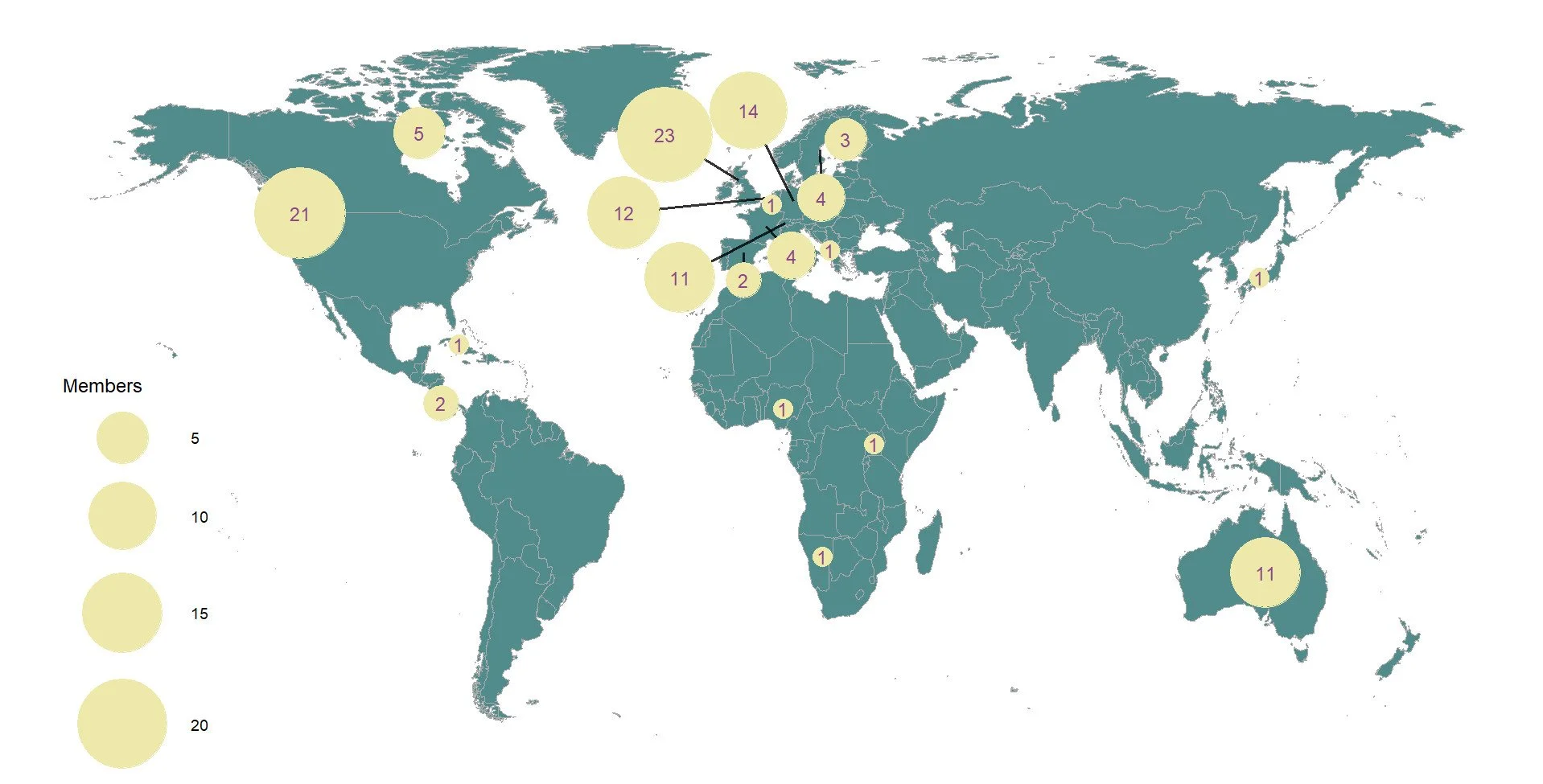
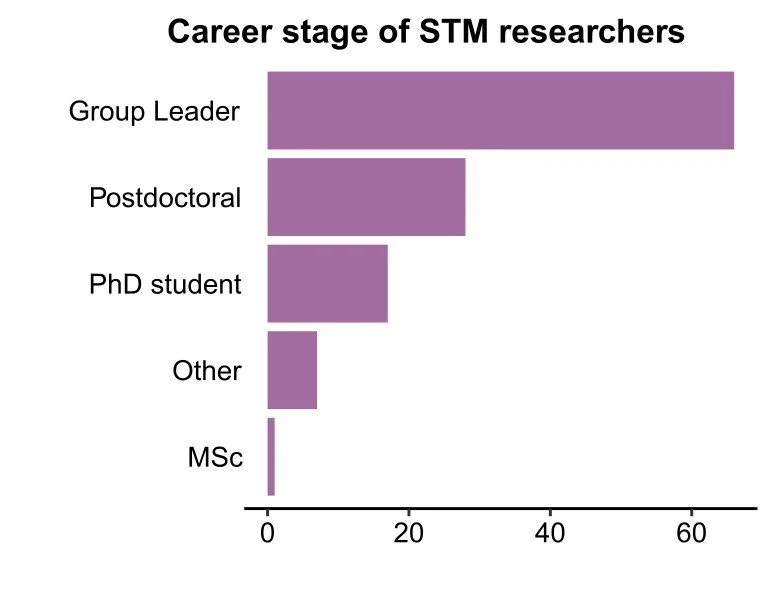
Do you investigate a socially transferred material? Are you excited about milk, saliva, semen, or regurgitate and its function, content, and evolution? Your participation is welcome!
You can attend or present at the BYOF seminars, organize a symposium, start a collaborative project, or join the leadership team. Just fill out this Google Form to include your information in our mailing list.
Leadership Team
-

Adria LeBoeuf
Associate Professor, University of Cambridge
Adria and her team focus on how evolution has engineered social life, in particular, through social fluids, and how bioactive materials can be produced, transmitted and can act upon others. We use ants as our primary model and in terms of techniques, we use multiomics, automated behavioural tracking and comparative phylogenetic methods.
-

Jenny Stynoski
Associate Professor, University of Costa Rica
Jenny investigates the chemical ecology of tropical amphibians, with a focus on parental care and development. Her work aims to unravel the mechanisms by which amphibians use chemical defenses across ontogeny, as well as the nutritive and defensive functions of parentally provisioned eggs and skin secretions from ecological and evolutionary perspectives. She takes an integrative approach using field experiments, behavioural tests, histochemistry, metabarcoding, proteomics, and transcriptomics.
-
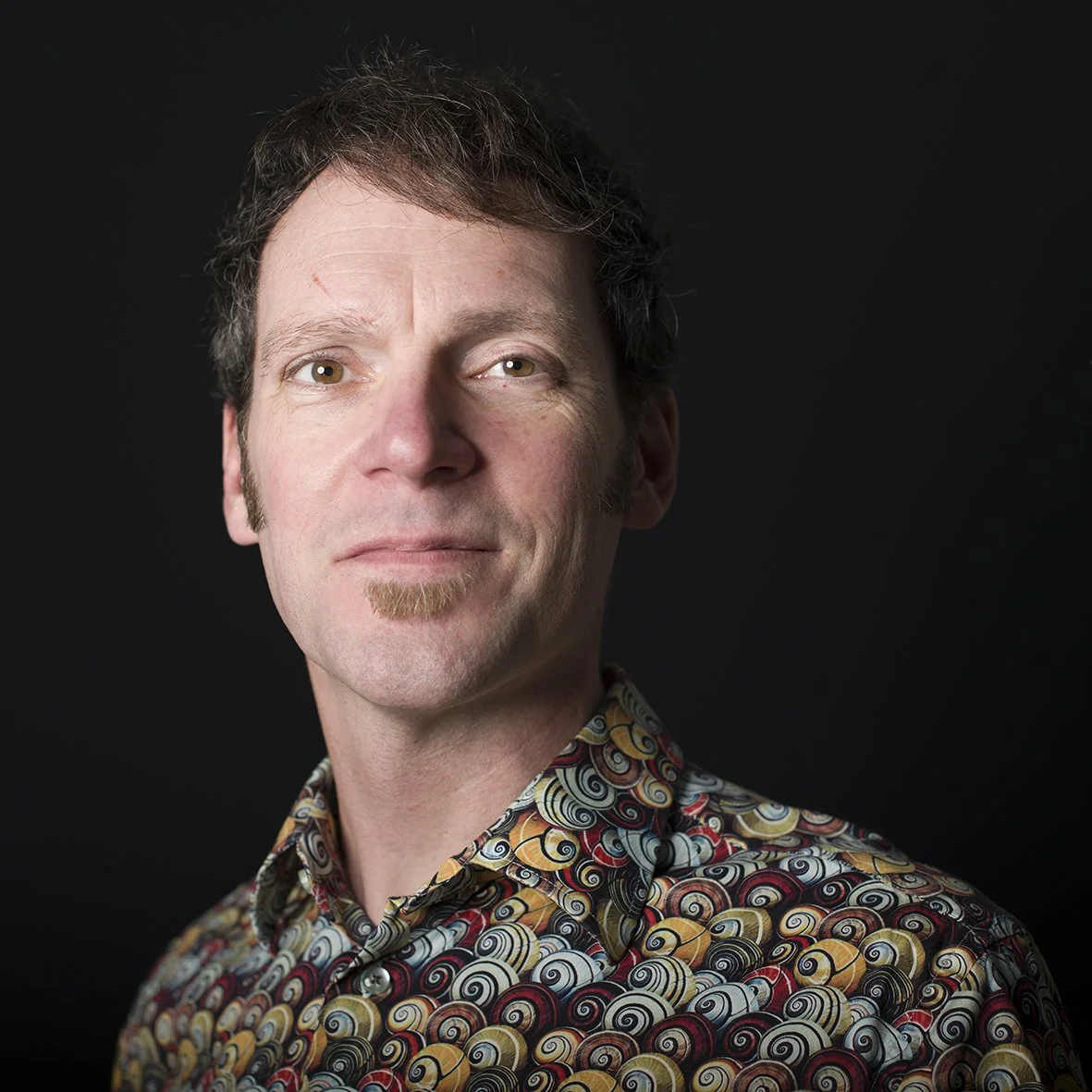
Joris Koene
Professor, VU Amsterdam
Joris is an expert on socially transferred materials during reproduction, with a focus on hermaphroditic animals. His scientific achievements include unravelling why land snails inject their mating partner using a “love dart”, identifying the first accessory gland protein in the semen of a hermaphrodite, and defining the term allohormone. His research integrates different biological levels (e.g., behaviour, evolution, ecology, physiology, neuro-endocrinology) and addresses both evolutionary and mechanistic aspects of hermaphroditism in animals.
-

David Skerrett-Byrne
David’s research focuses on the molecular mechanisms governing sperm function in both fertile and infertile men, with a strong emphasis on the transmission of environmental stress signatures to sperm (epigenetics). His work investigates how environmental stressors influence sperm epigenetics and the subsequent effects on embryo and placenta development, and the future trajectory of offspring health. Utilizing advanced multiomics platforms, environmental stress models, and patient samples, he aims to elucidate the male contribution to reproductive outcomes and develop non-hormonal male contraceptives.
-

Sanja Hakala
Postdoctoral researcher, University of Lausanne
Sanja studies the evolution of care behaviours and social organization in social insect societies, connecting behavioral data with molecular, physiological and morphological lines of inspection. The societies control the development of individuals and the maturation of the sexual castes also through socially transferred materials, which sparked Sanja’s broader theoretical interest in them as a potential accelerator of evolution.
-
Open position on the leadership team
Contact us if you are interested!!